

One permanent tooth has appeared, but the matching tooth on the other side has not. Or a baby tooth is still there long after you expected it to fall out.
Differences in timing do not always mean something is wrong. They are still useful observations to bring to your dentist or orthodontist, particularly if the tooth seems to have stopped progressing.
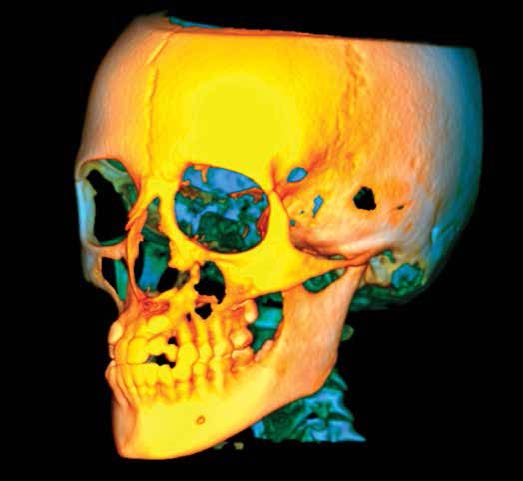
What does “impacted” mean?
An impacted tooth has not erupted as expected because it is stuck or its path is blocked. Some cause symptoms, while others are discovered during an examination or on an X-ray. Upper canines are especially relevant to orthodontic planning. The AAO explains these issues in its guide to impacted teeth.
The absence of pain does not tell you whether the tooth has enough space or is heading in the right direction.
First, understand where the tooth is
The orthodontist considers your child’s stage of dental development and examines the area. Appropriate imaging may help show the location of the tooth, its direction, and its relationship to nearby roots. The choice depends on your child’s examination, existing records and the information needed to plan care.
SmileMaker uses Planmeca Ultra Low Dose 3D imaging. When a 3D study is appropriate, Dr. Burton can select it at the outset without automatically taking a separate panoramic X-ray first. Choosing the appropriate study can avoid unnecessary duplicate exposures. Learn more about our approach to CBCT imaging and how the team considers dose and clinical need.
The position of a tooth below the gums can matter even when the teeth you can see look fairly straight.
You may hear the team discuss whether the tooth has room to erupt, whether something is blocking it, or whether observation is reasonable.
The plan depends on the findings
Possible approaches can include monitoring, creating space, or addressing an obstruction. Some impacted teeth require coordinated care with an oral surgeon so the orthodontist can help guide the tooth into position. In other cases, a different plan is more appropriate.
Ask what makes the recommended approach suitable for your child. It is also reasonable to ask what the alternatives are and what might change if you wait.
What parents can bring to the visit
Share when you first noticed the delay and whether your dentist has been watching the area. Mention previous injuries to the teeth and bring information about any existing X-rays so the office can request them if useful.
If the plan is observation, ask when the next check should happen and what change would lead to treatment. A defined follow-up plan is more helpful than simply wondering whether the tooth will eventually appear.
Questions about a delayed permanent tooth? Contact SmileMaker Orthodontics. An evaluation at our Hendersonville office can help distinguish a timing variation from a problem that needs attention.