

Being told you have crowded teeth often leads to an immediate worry: will healthy teeth need to be removed?
Crowding does not automatically mean extractions. It does mean the orthodontist needs to work out where the space for alignment will come from and whether the proposed movements fit your mouth.
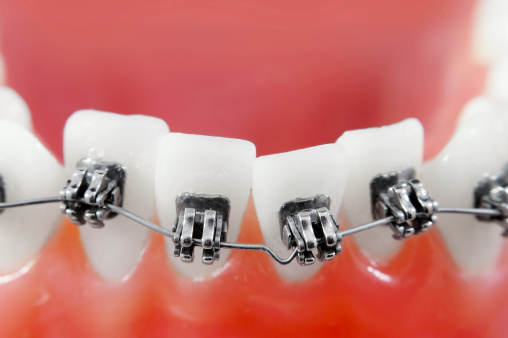
Why similar smiles can need different plans
The amount of visible overlap is only part of the picture. The orthodontist also considers how the upper and lower teeth meet, the positions of the roots, and the supporting tissues. In a growing child, the stage of dental development matters too.
The plan must account for the structures supporting the teeth, including the parts you cannot see in the mirror.
Imagine two patients whose front teeth look equally crowded in a photograph. One may have a different jaw relationship or different limits to tooth movement. A photograph alone cannot explain which approach is appropriate for each.
Where space might come from
Depending on the diagnosis, an orthodontist may consider changes in tooth position, selected expansion, or carefully planned reduction between certain teeth. Extractions can also be part of an appropriate plan. Each option has limits and tradeoffs.
For children, preserving space after early loss of baby teeth or addressing selected eruption problems may be relevant. These decisions depend on development and should follow an examination.
The choice should not rest on an absolute promise that teeth will always be removed or never be removed.
What you should ask to see
Ask the orthodontist to explain where the needed space will come from in your proposed plan. If extractions are recommended, ask why and what an alternative would involve. If they are not recommended, ask how the teeth will fit and how the bite will be managed.
It also helps to discuss the result you want. A concern about crowding may sit alongside questions about how your lips look, how your teeth meet, or how easy your teeth are to clean.
A recommendation should make sense to you
You do not have to understand every measurement to take part in the decision. You should understand the goal, the major alternatives, and the reason for the recommendation. Orthodontic assessment includes information that is not visible in a smile photograph, as the AAO explains in its guidance for adults considering care.
At a SmileMaker consultation in Hendersonville, bring your concerns about crowding and extractions. We can explain where space would come from in your proposed plan. Request a consultation to explore the options.