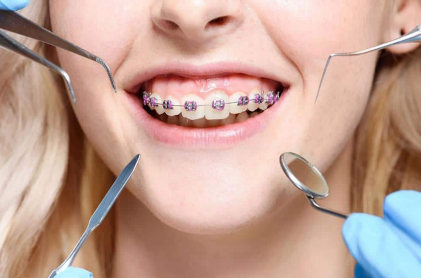
Orthodontics is a specialized branch of dentistry that focuses on the diagnosis, prevention, and treatment of dental and facial irregularities. From misaligned teeth to bite issues, orthodontists are dedicated to creating healthy, functional, and aesthetically pleasing smiles. In this blog, we will delve into the world of orthodontics, exploring its significance, common treatments, and the positive impact it can have on oral health and self-confidence.
The Importance of Orthodontics
Orthodontic treatment goes beyond the desire for a beautiful smile. Correcting dental irregularities has several benefits, including:
Improved Oral Health: Straight teeth are easier to clean, reducing the risk of tooth decay, gum disease, and other oral health issues. Orthodontic care can change how teeth meet. Jaw pain or other symptoms should be evaluated separately rather than assuming tooth alignment will relieve them.
Enhanced Self-Confidence: A confident smile can have a significant impact on self-esteem and social interactions. Orthodontic treatment can help individuals overcome self-consciousness related to their teeth and enjoy a newfound sense of confidence.
Bite Correction: Bite problems, such as overbite, underbite, crossbite, and open bite, can cause difficulties in chewing, speaking, and overall oral function. Orthodontics addresses these issues, improving the bite and restoring proper functionality.
Common Orthodontic Treatments
Orthodontic treatments involve various techniques and appliances to align teeth and correct dental irregularities. Some of the most common treatments include:
Braces: Traditional metal braces consist of metal brackets bonded to the teeth and connected by wires. They apply gentle pressure to move teeth into their proper positions over time. Braces are highly effective and suitable for a wide range of orthodontic issues.
Clear Aligners: Clear aligners, such as Invisalign, have revolutionized orthodontic treatment with their discreet and removable nature. These custom-made, transparent trays gradually shift teeth into alignment. Clear aligners are popular among individuals seeking a more aesthetic and flexible orthodontic option.
Retainers: After completing active orthodontic treatment, retainers are often prescribed to maintain the achieved results. Retainers help limit unwanted tooth movement when worn as prescribed. Ask about long-term wear, fit checks and replacement.
Orthognathic Surgery: In complex cases involving severe jaw discrepancies, orthognathic surgery may be necessary. This surgery, performed in collaboration with an oral surgeon, helps align the jaws and improve the bite. Orthognathic surgery can significantly enhance both the function and aesthetics of the smile.
The Role of Orthodontists
Orthodontists are highly trained dental professionals who specialize in orthodontic treatments. They undergo extensive education and practical training to diagnose and treat a wide range of dental irregularities. Orthodontists have in-depth knowledge of facial growth and development, tooth movement, and bite mechanics. They work closely with patients to develop personalized treatment plans and monitor progress to achieve optimal results.
The Orthodontic Journey
The orthodontic journey typically begins with an initial consultation. During this visit, the orthodontist will assess the patient's dental condition, discuss treatment options, and outline the expected duration and cost. Afterward, a customized treatment plan is created, taking into account the individual's specific needs and desired outcomes. Regular appointments are scheduled for adjustments, progress checks, and the placement of new appliances.
Lifelong Benefits of Orthodontics
Orthodontic treatment is an investment in long-term oral health and well-being. The benefits extend beyond the duration of treatment, with lasting effects that can positively impact a person's life. From improved oral hygiene to enhanced self-confidence, orthodontics offers transformative results that can be enjoyed for years to come.
An orthodontic consultation can help you understand which changes are realistic for your teeth and bite. Ask about alternatives, expected benefits, limitations, daily care and retention before deciding on treatment.