

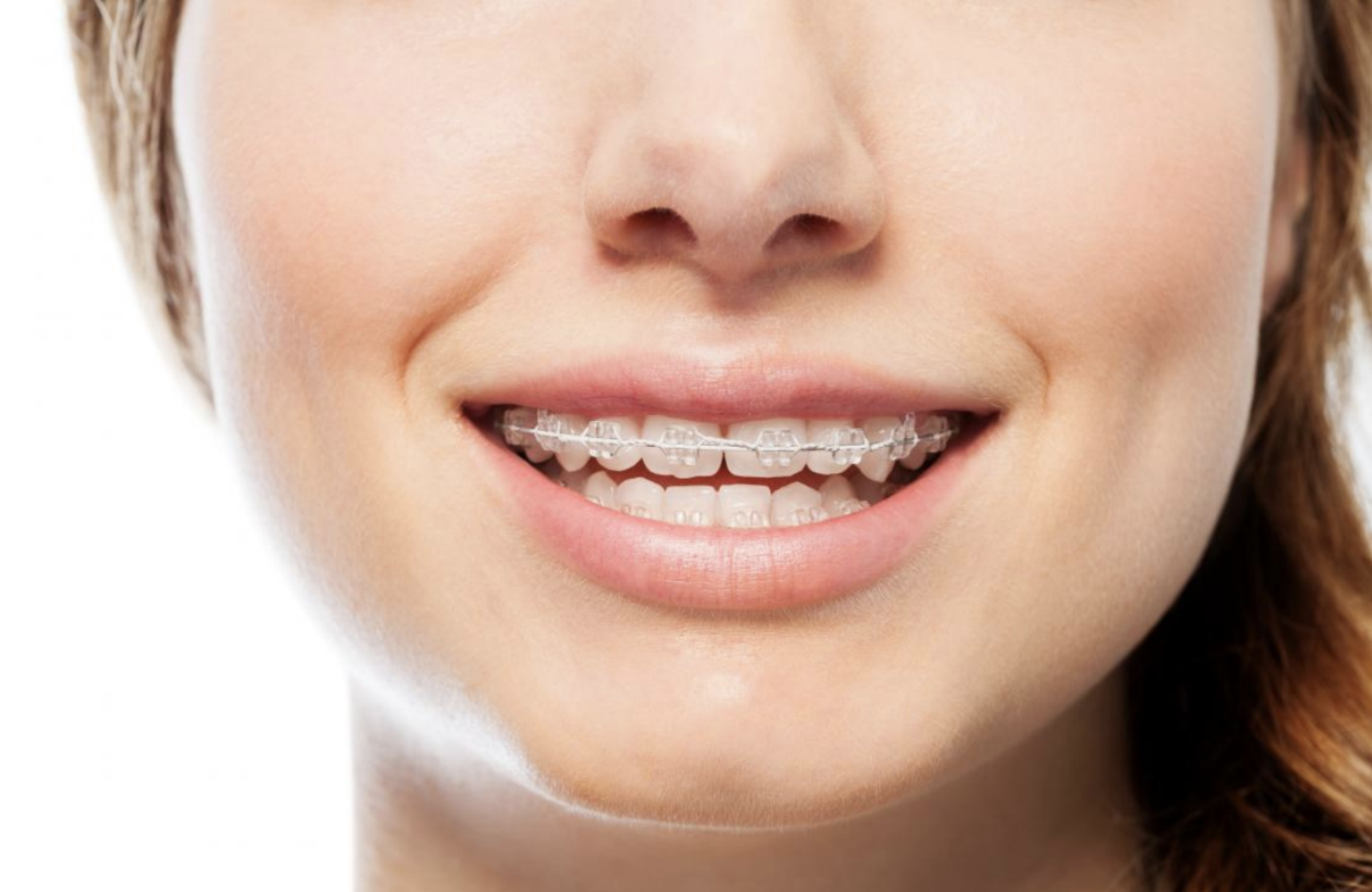
Orthodontic treatments have revolutionized the field of dentistry, offering solutions to correct dental irregularities and create beautiful, healthy smiles. Whether you're dealing with crooked teeth, misaligned bites, or other orthodontic issues, these treatments can help you achieve a straighter, more functional smile. This overview describes several orthodontic approaches. Availability and suitability vary; ask which options SmileMaker offers for your needs.
Traditional Braces
Traditional braces have long been the go-to orthodontic treatment for correcting dental irregularities. They consist of metal brackets bonded to the teeth and connected by wires. The wires exert gentle pressure, gradually moving the teeth into their desired positions. Braces are effective for a wide range of orthodontic issues, including crowded teeth, gaps, and bite problems. Today, braces are more comfortable and aesthetically pleasing than ever before, with options like tooth-colored ceramic brackets and clear brackets available.
Clear Aligners (e.g., Invisalign)
Clear aligners, including Invisalign, have gained significant popularity in recent years. These custom-made, transparent trays are virtually invisible and removable, offering a discreet and flexible orthodontic solution. Clear aligners use advanced computer technology to create a series of aligner trays that gradually shift the teeth into alignment. Suitability, daily wear and the appointment schedule depend on your plan and response to treatment.
Lingual Braces
Lingual braces work similarly to traditional braces, but with one key difference: they are placed on the backside of the teeth, facing the tongue. This positioning makes them virtually invisible from the front, offering a discreet option for individuals who prefer not to show any signs of orthodontic treatment. Ask whether this option is offered and appropriate for your needs, and discuss its care requirements and limitations.
Self-Ligating Braces
Self-ligating braces use a specialized bracket system that eliminates the need for elastic or metal ties. These brackets have built-in clips that hold the wires in place. Bracket design alone does not establish shorter treatment, fewer appointments or greater comfort. Discuss the reasons for the appliance recommended for your case.
Orthodontic Retainers
Orthodontic retainers play a crucial role in maintaining the results achieved through active orthodontic treatment. After completing braces or clear aligner treatment, retainers are typically prescribed to hold the teeth in their new positions. Retainers can be removable or fixed, and they help prevent teeth from shifting back to their original positions. Consistent retainer use is essential for long-term stability and to ensure the longevity of the orthodontic treatment outcomes.
Orthodontic Surgical Procedures
In complex cases involving severe jaw discrepancies, orthodontic surgical procedures may be necessary. Orthognathic surgery, performed in collaboration with an oral surgeon, helps correct significant bite problems, facial asymmetry, and jaw misalignments. These procedures can greatly improve both the function and aesthetics of the smile, providing a comprehensive solution to complex orthodontic issues.
Orthodontic treatments have transformed countless smiles, improving oral health, function, and self-confidence. Whether you opt for traditional braces, clear aligners, or other orthodontic solutions, the expertise of orthodontic professionals can guide you through the process, explaining the likely benefits, limitations and responsibilities of care. Embrace the transformative power of orthodontics, and take the first step towards achieving the smile you've always wanted. Consult with an orthodontist to determine the best treatment option for your specific needs and embark on a journey towards a straighter, healthier, and more confident smile.