

An orthodontic consultation can help you understand tooth alignment, bite concerns, and possible treatment options. This guide explains common approaches and questions to discuss. Find SmileMaker’s current address and contact details on our Hendersonville office page.
Orthodontics: An Overview
Orthodontics is a specialized field of dentistry that focuses on diagnosing, preventing, and treating dental and facial irregularities. These professionals, known as orthodontists, undergo extensive education and training to understand the complexities of the human bite, tooth alignment, and jaw structure. By utilizing various orthodontic appliances and techniques, they strive to create balanced and harmonious smiles.
Orthodontic Services Offered
Treatment options depend on the diagnosis and the practice. Common approaches include:
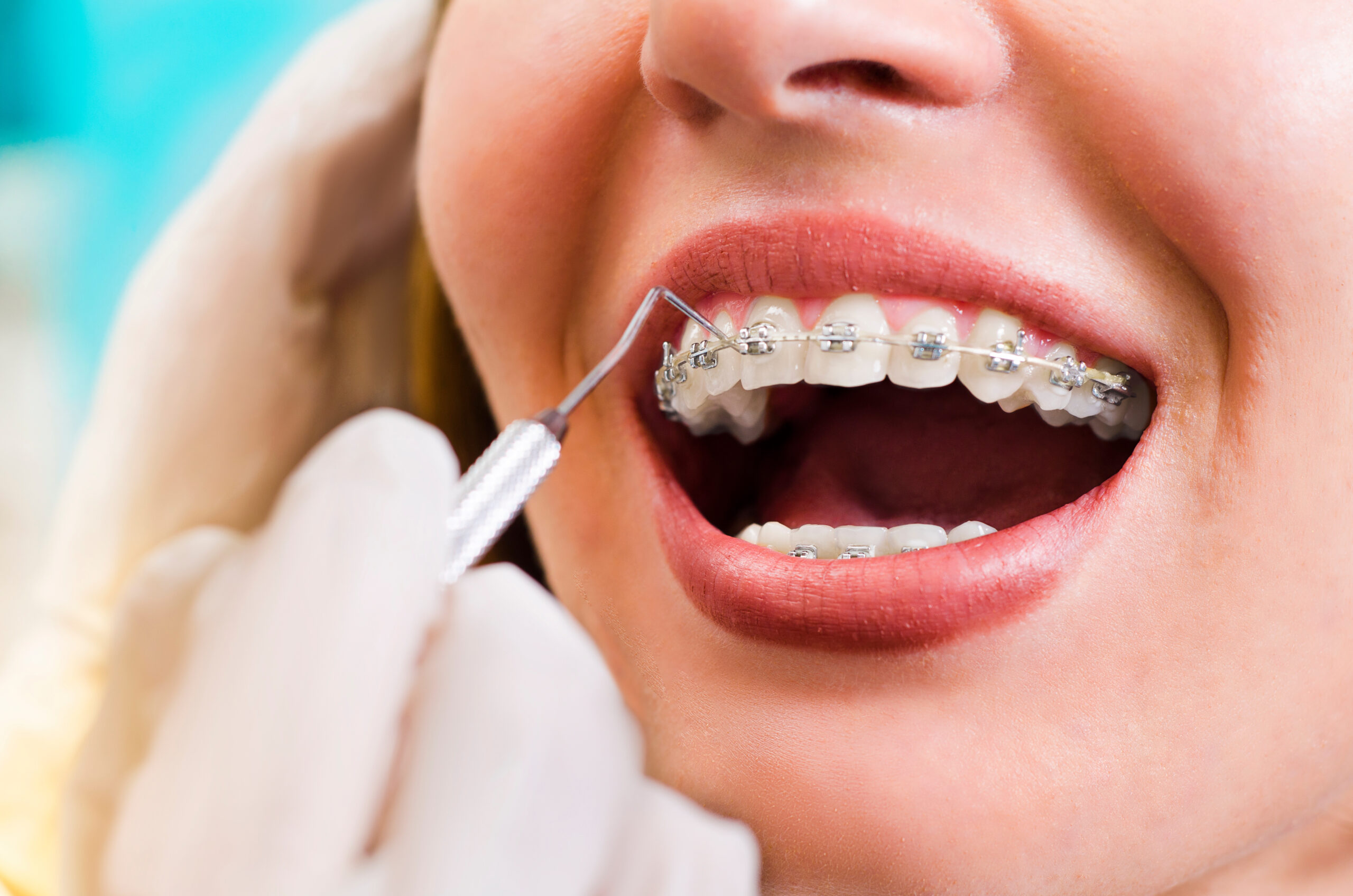
Traditional Braces: Traditional metal braces are highly effective in aligning teeth and correcting bite issues. They consist of metal brackets and wires that gradually move teeth into their proper positions.
Clear Aligners: Clear aligners, such as Invisalign®, have gained immense popularity due to their discreet and removable nature. These custom-made, transparent trays gradually shift teeth into alignment, providing a convenient and aesthetic alternative to traditional braces.
Retainers: After orthodontic treatment, retainers are often prescribed to maintain the results achieved. These devices help prevent teeth from shifting back to their original positions, when worn as directed. Your orthodontist will explain long-term retainer wear and follow-up.
Surgical Orthodontics: In cases where jaw discrepancies or severe malocclusions are present, orthodontists may work in collaboration with oral surgeons to correct these issues through surgical orthodontics.
The Importance of Early Orthodontic Intervention
The American Association of Orthodontists recommends a first orthodontic check by age seven, or sooner if a concern appears. An evaluation does not mean a child needs braces immediately. Some children benefit from early treatment, while others need monitoring until a later stage of development.
Individualized Care and Cutting-Edge Technology
A treatment plan begins with your history and an examination. Photographs, digital scans, and X-rays may be recommended when they help answer a clinical question; 3D imaging is not automatically needed for every patient. Ask what each record will show and how it may change your care.
Patient Education and Comfort
Ask about treatment choices, likely benefits and limitations, oral hygiene, and long-term retainer wear. Understanding the plan and your responsibilities can help you decide whether to proceed.
Discuss any anxiety or practical concerns with the team, including appointment timing and how to reach the office if an appliance breaks. A consultation should give you time to ask questions.
The right timing and approach depend on the individual. Ask your orthodontist to explain the findings, reasonable alternatives, expected duration, and estimated fees before making a treatment decision.